
Aissist vs Ada: Which Option Is Better for Business Owners in 2026?
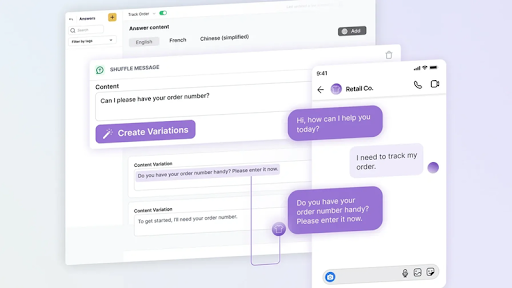
Ada has built a strong reputation as a no-code customer service automation platform. It helps companies handle repetitive support questions at scale without hiring a large support staff. But more businesses now want AI that does more than answer common questions. They want automation that can reason, take action, and work across systems.
That is where the Aissist vs Ada comparison becomes useful. Both platforms aim to reduce support workload, but they take very different approaches. Ada is optimized for structured conversational automation, while Aissist is designed around agentic AI, multi-agent coordination, and task execution.
What Ada does well
Ada is a good fit for teams that want to automate support with a no-code workflow model.
Its main strengths include:
- A strong no-code experience for support teams
- Easier setup for structured FAQ and support flows
- Consistent conversational automation for repetitive requests
- Support for large-scale customer service operations
- A mature platform that many enterprise teams already know
For established businesses with predictable support patterns, Ada can create a more consistent customer experience and reduce ticket volume.
Where Ada can fall short
Ada is not always the best fit for smaller businesses or teams that want more flexible automation.
Common concerns include:
- Pricing is not easy to evaluate publicly and is often seen as expensive
- The platform works best for structured automation rather than adaptive workflows
- Even with no-code tooling, teams still need planning, training, and ongoing optimization
- Fast results can require more internal oversight than smaller companies expect
In short, Ada is efficient, but it is not always effortless.
What business owners need now
Customer expectations have changed. Businesses no longer need AI that only deflects basic questions. They need systems that can understand context, support more complex requests, and take action across internal tools when needed.
That shift matters because many support tasks now involve:
- Looking up data across systems
- Updating records after a conversation
- Handling follow-up work after the initial reply
- Supporting workflows that do not fit a fixed script
When those needs become important, standard no-code bot platforms can start to feel limiting.
Why Aissist stands out
Aissist is designed around multi-agent automation and task execution rather than only scripted customer conversations.
That means it can help businesses:
- Go beyond basic ticket deflection
- Support workflows that require context and follow-through
- Handle tasks that interact with internal systems
- Adapt more easily when support flows are not rigid or repetitive
For business owners who want AI to reduce manual work across the full customer journey, that difference is significant. The platform is positioned less like a chatbot builder and more like an AI operator that can support both service and execution.
Aissist vs Ada for business owners
Both platforms have a place, but they fit different operating models.
Ada is a better fit when:
- You want structured and repeatable customer service flows
- Your team prefers a no-code automation framework
- Most of your requests are predictable and FAQ-driven
- You want a mature platform centered on conversational consistency
Aissist is a better fit when:
- You need a more adaptive AI support system
- Your workflows require action, not just replies
- Your support tasks involve context, follow-up, or cross-system work
- You want agentic AI that can support both customer service and broader operations
Which option should you choose
The answer depends on the kind of business you run and what you expect automation to own.
Ada is polished, trusted, and strong for structured support automation. It is a solid option for teams that want repeatable workflows and consistent conversational experiences.
Aissist is a stronger option for businesses that want something more flexible and execution-oriented. If you need AI that can take action instead of only guiding conversations, Aissist is the better fit for a leaner, more modern support operation.